How to find activity partners in Berlin (2026): the practical guide for tennis, hiking, language exchange, and 14 other activities
Practical guide to finding activity partners in Berlin — tennis, hiking, running, language exchange, climbing, and 14+ activities. Where to look, what works, what doesn’t.
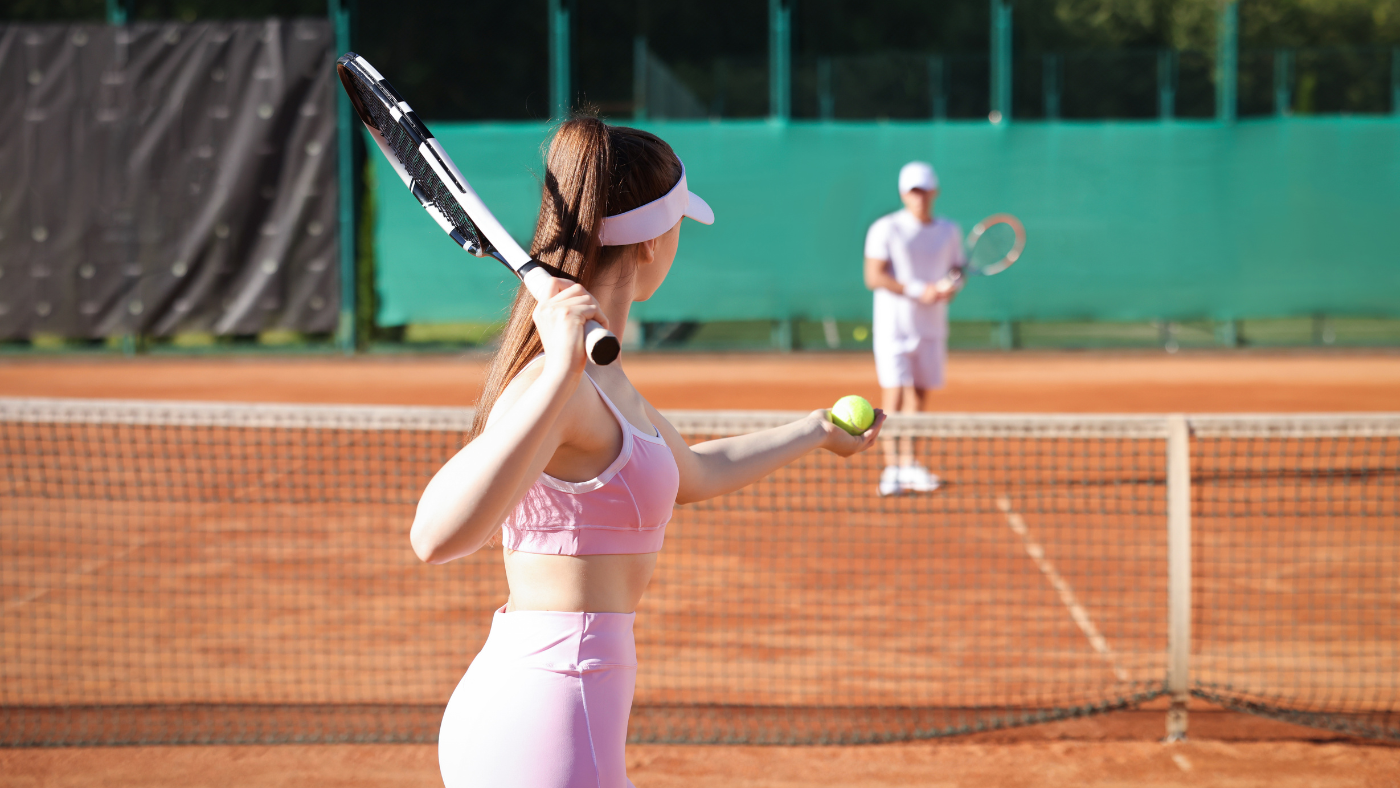
It’s Saturday morning. You want to play tennis. You have a racket, you know which courts at Tempelhofer Feld are free, you’ve cleared the morning. You don’t have anyone to play with.
Multiply that by every activity you’d genuinely enjoy if only there was one other human willing to do it with you — running, hiking, board games, a museum afternoon, a Sprachtandem coffee, an evening padel session — and you have the activity partner problem. It’s specific, it’s solvable, and it’s different from the broader “how do I make friends” question.
This guide is about that specific problem: finding one person in Berlin to actually do a thing with this week. Not building a social circle (that’s a separate, slower project — see our pillar guide on making friends in Berlin). Just solving Saturday morning.
Below: the psychology of why this matters more than people think, the five channels that actually work in Berlin, and an activity-by-activity guide for 17 of the most-searched activities people want partners for.
📲 Skip the search — find a partner for any activity this week. MITRA is free and built for exactly this: tennis, hiking, language exchange, coffee, and 150+ more.
App Store · Google Play
Why activity partners matter more than your social-media feed suggests
A common dismissal: “Just go alone.” Solo activities are great. Berlin in particular is built for them.
But research on motivation makes a counter-case worth knowing.
Self-Determination Theory (Deci & Ryan, decades of psychology research) identifies three universal psychological needs every human has: autonomy (feeling you’re choosing), competence (feeling you’re getting better at something), and relatedness (feeling connected to others). When all three are met simultaneously, well-being measurably increases.
Activities with a partner satisfy all three at once:
- You chose the activity (autonomy)
- You’re improving at the thing (competence)
- You’re doing it with another human (relatedness)
Solo activities satisfy two. Sitting at home satisfies one (autonomy, if you call it that). This is part of why people who do activities with partners report higher life satisfaction than people who do the same activities alone — even when the activity itself is identical.
And in Berlin specifically, where the city’s structural design pushes hard toward autonomy (single-person households make up around half of all Berlin households, per Statistisches Landesamt Berlin-Brandenburg), the relatedness need is the chronically under-met one. Finding activity partners is a direct lever on that.
So: not just nice to have. Actually moves your wellbeing.
The biggest mistake: trying to convert friends into activity partners
The default move when you want a tennis partner is to look at your existing contacts and message a few people: “Hey, want to play tennis Saturday?”
This rarely works in Berlin. Reasons:
- Your existing contacts probably don’t play tennis at your level
- They have their own Saturday plans
- The ask is high-stakes (rejection feels personal because it’s with a friend)
- Even if they say yes once, scheduling becomes hard
The shift that unlocks this: stop looking for friends-who-also-do-X, and start looking for people-who-want-to-do-X (and who may eventually become friends).
The activity comes first. The friendship — if it happens — is downstream.
This reframe is what makes activity-partner platforms (like MITRA), Vereine (German sports clubs), and language exchange apps so effective. They flip the search from “friend → activity” to “activity → person.”
Five channels that actually work for finding activity partners in Berlin
Before the activity-by-activity breakdown, here are the five general channels — ranked by speed and reliability:
1. Activity-first apps (fastest for 1-on-1)
Apps like MITRA are designed for exactly this use case: you post an activity (what, when, where), other people in Berlin send a request to join, you accept whoever fits. Direct match for the “I want to play tennis Saturday” problem.
Speed: same-week meet-ups are normal. Free.
Best for: one-time or repeat 1-on-1 activities with a specific date/time/place.
2. Vereine (German sports clubs) — best for recurring same-people commitment
If you want to play tennis every Saturday with the same group of people for the next two years, join a Verein. The membership model creates built-in repetition (which produces actual friendship over time — see Hall’s 2018 research on friendship-formation hours).
Speed: slower setup (membership applications, trial sessions), but maximum long-term return.
Best for: committed weekly activities, especially racket sports, football, climbing, rowing.
3. Meetup-style hobby groups
For activities that work as group events (board games, hiking, language conversation, photography walks), Meetup-style groups are well-established in Berlin. You join a group, you RSVP to events, you show up.
Speed: depends on group activity level — some have 3 events a week, some have 1 a month.
Best for: group-format activities; activities you want to attend rather than co-create.
4. Tandem / language exchange apps
For language-related activity partners specifically — Sprachtandem, conversation practice — apps like Tandem.net and HelloTalk have a huge Berlin user base. The “language partner” framing removes social pressure and makes repeat meetings normal.
Speed: same-week first meeting is normal.
Best for: language exchange specifically; can evolve into general friendship.
5. Reddit and Facebook groups
r/berlin, r/berlinsocialclub, and various Facebook groups have regular “looking for [activity] partner” posts. Lower signal-to-noise than dedicated apps but free and high-volume.
Speed: variable — some posts get 5 responses, some get zero.
Best for: niche activities not well-covered elsewhere.
📲 Want the fastest path to a 1-on-1 activity partner this week? Try MITRA — free, designed for exactly this.
App Store · Google Play
Activity-by-activity: where to find partners for the 17 most-searched activities in Berlin
For each activity below: what works specifically in Berlin, best channel, and any tactical detail worth knowing.
Tennis partner Berlin
Where it actually works:
- TC SCC, TC Schöneberg, BLSV Berlin clubs for committed weekly play (Verein membership ~€200-400/year)
- Tempelhofer Feld public courts for casual pickup (free, weekend mornings most active)
- MITRA for one-off matches when you don’t want club commitment
- Mybudo.com for booking courts + finding doubles partners
- Reddit r/berlin “tennis partner” weekly threads
Best time to find a partner: post Friday for weekend, post Monday for weeknight evenings. The shorter the lead time, the lower the response rate.
Running buddy Berlin
Where it actually works:
- Adidas Runners Berlin — free weekly group runs at multiple locations, very social, beginner-friendly
- Nike Run Club Berlin — similar model, sometimes overlaps with Adidas runners
- Berlin Free Tour Running for niche social-run intersection
- MITRA for finding 1-on-1 running partners matched on pace and distance
- Local neighborhood Lauftreffs (running meetups) — every Bezirk has one
Best time: early morning (6:30-7:30am) or evening (18:00-20:00) — when most runners go out.
Hiking partner Berlin
Where it actually works:
- Berlin Hiking Group on Meetup (largest, several events per week)
- Wandervogel Berlin for organized Sunday hikes
- MITRA for last-minute Saturday/Sunday hikes
- Brandenburg Wanderer Facebook group for further-out trails
Most hikes from Berlin: Müggelsee, Liepnitzsee, Stechlinsee, Sächsische Schweiz day trips. Easiest hike with most company: Müggelsee loop.
Coffee meeting Berlin
Where it actually works:
- MITRA for casual 1-on-1 coffee with someone new
- Tandem.net for language-exchange coffee (gets you a coffee partner with a low-pressure framing)
- Bumble BFF for chat-first coffee meetings
- InternStartups Berlin or Berlin Founder Coffees for professional-flavoured meetings
Best neighborhoods for first coffee meets (high café density, easy to find each other): Prenzlauer Berg, Mitte, Kreuzberg, Neukölln.
Language exchange partner Berlin (Sprachtandem)
Where it actually works:
- Tandem.net — the dominant app, thousands of Berlin users
- HelloTalk and Speaky as alternatives
- InterNations Berlin events for in-person language mingling
- VHS Berlin courses for structured language + classmate-friendships
- MITRA for posting language-exchange as a specific activity
If you want German practice: aim for Tandems with Germans who want to practice English (mutually beneficial, sustainable). Avoid Tandems where both speakers want the same language (one always loses).
Climbing / bouldering partner Berlin
Where it actually works:
- Boulderwelt Berlin (Tempelhof, Friedrichshain) — busy floors, easy to chat
- Magic Mountain climbing gym — slightly older, communal vibe
- DAV Berlin (German Alpine Club) for outdoor climbing + courses
- MITRA for 1-on-1 bouldering meets at your level
Climbing has built-in social dynamics: spotting, belaying, problem-solving together. Easier than most sports to start talking to strangers. New to it? Here’s a full walkthrough of bouldering in Berlin for beginners.
Board game partner Berlin
Where it actually works:
- Berlin Board Game Meetup (active group, weekly sessions)
- Spielwiese café in Friedrichshain — board game café, regular tournaments
- Brettspielcafé Coexis in Kreuzberg
- MITRA for hosting your own 1-on-1 or small-group board game session
Best for board games: post Wednesday/Thursday for weekend sessions. Specify the game(s) to filter for partners at the right level.
Padel partner Berlin
Where it actually works:
- Padel Base Berlin, Padel Heroes, and The Padel Club (multiple locations across the city) — courts plus app integration for finding partners
- MITRA for booking-friendly 1-on-1 padel sessions
- Padel Berlin Facebook group
Padel exploded in Berlin 2023-2025. Court availability and partner-finding apps grew with it. Mornings have the most singles looking for opponents.
Yoga partner Berlin
Where it actually works:
- Yoga is mostly a solo-in-a-group activity (studio classes)
- Yogateria, Yogabande, Spirit Yoga Berlin for community studios
- Acro yoga Berlin Facebook group for partner-yoga specifically
- MITRA for finding someone to attend class with regularly (the social glue is in the post-class coffee)
Dance partner Berlin (salsa, bachata, kizomba, swing)
Where it actually works:
- Salsabor, Salsa & Bachata Berlin, Berlin Kizomba Connection — dance schools with strong social scenes
- Mille Notti for Wednesday salsa social (oldest in Berlin)
- Wild at Heart for swing dance
- MITRA for finding dance partners outside formal classes (practice partners)
Partner dances have built-in social mechanics: rotation in classes ensures you meet everyone in the room. Friendships happen at the post-class beer.
Cycling buddy Berlin
Where it actually works:
- Berlin Cycling Club for road cyclists
- Critical Mass Berlin for casual urban rides (last Friday of every month)
- Rapha Berlin Club for committed roadies
- MITRA for casual 1-on-1 weekend rides (Müggelsee loop is the classic)
- Strava clubs Berlin-focused for finding regular ride groups
Photography walks Berlin
Where it actually works:
- Berlin Street Photography Meetup
- Berlin Photo Walks Group (Meetup)
- MITRA for 1-on-1 photo walks at specific Berlin locations (Tempelhof, Treptower Park, East Side Gallery, etc.)
- Instagram local Berlin photographer accounts for occasional public walks
Photography walks are unusually friendly for introverts: the camera gives you something to do, conversations form around technique and locations.
Cooking class partner Berlin
Where it actually works:
- Goldhahn und Sampson for cooking classes with a community vibe
- VHS Berlin affordable cooking courses (€40-100 for 4-8 sessions)
- Italian Cooking Classes Berlin for specific cuisine focus
- MITRA for finding partners for cook-at-home dinners
Cooking classes specifically work well for partner-finding because they’re inherently social (shared workspace, shared meal at end).
Volunteering partner Berlin
Where it actually works:
- Foodsharing Berlin for food pickup shifts (regular schedule = repeat people)
- Berliner Tafel food bank shifts
- ReDi School teaching shifts (longer-term commitment)
- Tierheim Berlin weekly animal shelter volunteering
- MITRA for matching with someone interested in the same cause
Volunteering bonds people quickly because you’re working on something together that isn’t transactional.
Gym partner Berlin
Where it actually works:
- John Reed, Urban Sports Club for big studio networks where you’ll see the same faces
- CrossFit boxes (e.g., CrossFit Berlin, CrossFit Kreuzberg) — strong community by design
- MITRA for finding someone to commit to gym sessions at the same time
- Avoid huge anonymous gyms (McFit) for partner-finding — too big, no recognition
Best dynamic for gym partners: same goal + similar level + same time slot. Without all three, partnership fizzles.
Weekend trip / day-trip companion Berlin
Where it actually works:
- Couchsurfing Berlin Events for trip-companion connections
- NomadTable for travelers passing through (see our NomadTable vs MITRA comparison)
- MITRA for day trips (Müggelsee, Potsdam, Spreewald, Sächsische Schweiz)
- WeRoad Berlin for organised small-group weekend trips
Skateboarding / inline skating partner Berlin
Where it actually works:
- Tempelhofer Feld for inline skating (massive flat space)
- Skatehalle Berlin (Friedrichshain) for skateboarding
- Berlin Skating Group on Facebook
- MITRA for less-organised 1-on-1 skate sessions
Museum / cultural visit partner Berlin
Where it actually works:
- MITRA for 1-on-1 museum visits (especially Museum Island Sundays)
- Berlin Art Friends Meetup for gallery walks
- Long Night of Museums (twice a year) is a goldmine for casual partner meet-ups
- Bumble BFF for chat-first museum dates
How to actually go from “matched” to “we met up”
Across every channel above, the same conversion problem exists: you “matched” or “joined the group” but you never actually met up. Here’s what differentiates the meetings that happen from the ones that don’t:
- Propose a specific time, place, and duration in your opening message. “Coffee at Bonanza Kreuzberg, Saturday 10am, 45 min?” beats “want to grab coffee sometime?” by an order of magnitude.
- Suggest a public, easy-to-find spot. Café with one entrance > a park bench. The other person needs to know they can find you.
- Confirm 24 hours before. A short “still on for tomorrow at 10?” prevents ghosting. The person who confirms is the person who shows up.
- Have an escape hatch built in. “I have something at 11am” gives both of you permission to leave if it’s not a fit. People relax when they know it’s bounded.
- Use platforms where meeting is the design goal. Apps where matching is the monetisation event (swipe more, see more, pay more) have lower meet rates than apps where the meeting itself is the product. MITRA falls into the second category — the platform makes nothing from you swiping; it exists for the meet-up.
📲 Find an activity partner this week — free
App Store · Google Play
FAQ
What’s the fastest way to find an activity partner in Berlin?
Activity-first apps like MITRA. You post a specific activity (what, when, where), and people in Berlin send a join request. Same-week meet-ups are normal because the activity itself anchors the meeting.
Are activity partners different from friends?
Yes, and the distinction matters. An activity partner is someone you do a specific thing with — tennis Saturday, weekly run, board game night. A friend is someone you call when your week falls apart. Activity partners can become friends over time (research suggests roughly 50+ hours of contact, per Hall, 2018), but the relationship starts focused on the activity, not the friendship.
Where do most people find tennis partners in Berlin?
The most common channels: tennis clubs (Vereine) for committed weekly play, public courts at Tempelhofer Feld for casual pickup, and MITRA for one-off matches without club membership.
Is it weird to use an app to find someone to do an activity with?
No — and the data backs this up. In Germany, formal Verein membership for sports has dropped while activity-app usage has grown over the past decade. Using an app is increasingly the normal way younger adults coordinate activities, especially in larger cities like Berlin where social circles are fragmented across long distances.
What’s the best activity for meeting new people quickly?
Group classes (dance, language, cooking) and group sports with built-in rotation (climbing gyms, padel doubles, board game nights). All have natural social mechanics that don’t require you to initiate small talk.
How do I find a language exchange partner in Berlin?
Tandem.net is the dominant app for Sprachtandem in Berlin, with thousands of active users. HelloTalk and Speaky are alternatives. MITRA also works if you post “language exchange coffee” as a specific activity. Aim for partners with mutually-beneficial language pairs (you want German, they want your native language).
Are there Berlin activity-partner platforms specifically for introverts?
MITRA’s activity-first model (no swiping, no public chat — direct join requests for specific activities) tends to work well for introverts because the structure removes social-performance pressure. Activity classes (pottery, drawing, photography) are also introvert-friendly because the activity replaces small talk.
How do I find activity partners in Berlin without speaking German?
Most expat-friendly channels: MITRA (English interface, multi-language users), Meetup groups tagged “English-speaking,” Internations events. Joining Adidas Runners Berlin or Boulderwelt requires zero German. Even basic A1-A2 German opens the parallel German-speaking activity scene though.
What’s the average response rate when looking for an activity partner online?
Varies wildly by platform and activity. Active apps with engaged users (MITRA, Tandem) tend toward 30-50% response within 48 hours on specific activity posts. Reddit and Facebook posts tend toward 5-15%. Vague posts (“looking for friends”) get near-zero responses; specific posts (“tennis Saturday 10am, Tempelhof court 3, intermediate level”) get the most replies.
Is MITRA only for Berlin?
MITRA launched in Berlin first to build density. Bucharest and other EU cities are on the roadmap. If you’re in a city without enough MITRA density yet, the broader strategies in our pillar guide on making friends in Berlin translate to most European cities.
Bottom line
The activity-partner problem is solvable in Berlin. It just requires picking the right channel for what you actually want:
- Recurring same-people commitment → Verein (German sports club)
- Specific 1-on-1 activity this week → MITRA
- Group format event → Meetup
- Language practice → Tandem
- Niche or unusual activity → Reddit / Facebook groups
The single biggest unlock across all of these: propose specific activities (what + when + where), don’t propose vague hangouts. Specificity is what turns “matched” into “we met up.”
If you want one app to add for the 1-on-1 activity side, MITRA is built specifically for this — finding someone to actually do something with this week, around a specific activity. Free, no premium tier, designed around the meet-up itself.
📲 Download MITRA free
App Store · Google Play
Did one of these channels work for you in Berlin? DM us on Instagram @mitra.mobile.app — real stories from Berliners help future readers pick the right path faster.
Berlin first. Bucharest and more EU cities coming soon.
Keep reading
- What to do if you have no friends in Berlin: the science of how adults actually build a social circle — the WHY behind everything in this guide
Sources cited:
- Hall, J. A. (2018). “How many hours does it take to make a friend?” Journal of Social and Personal Relationships.
- Deci, E. L., & Ryan, R. M. — Self-Determination Theory (decades of research on autonomy, competence, relatedness as fundamental human needs)
- Statistisches Landesamt Berlin-Brandenburg — household composition statistics